


Farming

Overview

Healthy Livestock Care Through Farming

At Fuller Farming, our livestock farming services are built around ethical animal care, balanced nutrition, and scientifically managed rearing practices. We focus on maintaining healthy and productive livestock by ensuring proper shelter conditions, hygienic environments, and carefully planned feeding programs. Our approach integrates modern veterinary care with traditional animal husbandry knowledge to promote strong growth, disease prevention, and overall animal well-being. Every stage of livestock development from breeding and nurturing to health monitoring and production is handled with strict attention to quality and welfare. Through responsible livestock management, we aim to deliver safe, high-quality animal products while ensuring sustainability, efficiency, and respect for nature.

  • Balanced Animal Nutrition

    We provide carefully formulated feeding plans that ensure animals receive the right balance of nutrients, vitamins, and minerals to support healthy growth, strong immunity, and improved productivity throughout their life cycle.

  • Hygienic Housing Conditions

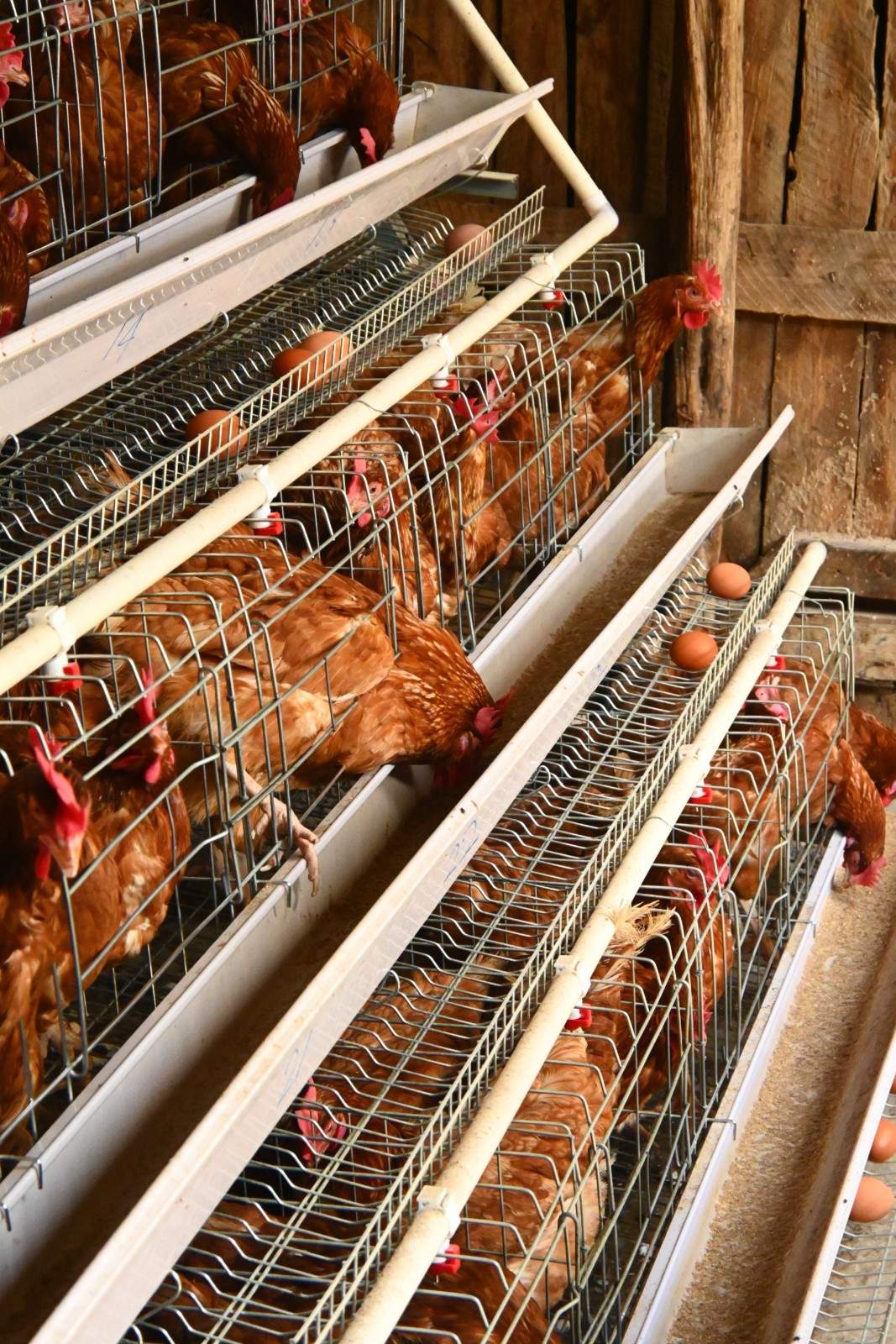
    Our livestock are raised in clean, well-ventilated, and stress-free environments that reduce disease risks and promote natural growth. Proper sanitation and comfort are maintained to ensure animal welfare at every stage.

  • Regular Health Monitoring

    We conduct continuous health checks and veterinary supervision to detect and prevent diseases early. This ensures strong livestock performance, reduced health risks, and consistent quality in animal production.

Farming

Livestock Farming Features

Key Advantages Of Our Livestock Services

Animal Health Protection

We maintain strict health care routines including vaccination programs, regular veterinary inspections, and preventive treatments to ensure livestock remain healthy and disease-free.

Modern Farm Infrastructure

Livestock farms are equipped with advanced infrastructure for comfort, cleanliness, and efficient management, ensuring smooth daily operations and improved animal productivity.

Scientific Feeding System

We follow structured feeding programs based on animal type, age, and nutritional needs to ensure balanced growth, improved strength, and higher productivity in livestock.

Improved Production Output

Through proper care, monitoring, and management practices, we ensure higher productivity in milk, meat, and other livestock outputs while maintaining quality standards and animal welfare.

Farming

Livestock Care Insights

Responsible Animal Care For Livestock Farming

  • We ensure proper breed selection and controlled breeding practices to improve animal strength, productivity, and long-term herd quality while maintaining ethical farming standards.

  • Our livestock are raised under carefully managed feeding schedules that support balanced growth, improved immunity, and consistent production performance across all stages of development.

  • We maintain clean and stress-free living environments that promote natural behavior, reduce disease risks, and ensure healthy animal development.

  • Continuous veterinary supervision is provided to monitor livestock health, detect issues early, and ensure timely medical care for maximum safety and welfare.

  • We follow strict hygiene and farm management protocols to maintain high-quality livestock production while ensuring safe and reliable output for consumers.

  • Our approach supports sustainable livestock farming by reducing environmental impact and promoting natural, responsible animal husbandry practices.
Farming

Livestock Farming Features

Livestock Care With Efficient Farm Management

Preventive Health Care System

We follow structured vaccination schedules and preventive health programs to protect livestock from diseases, improve immunity, and ensure long-term animal well-being and productivity.

Organized Shelter Management

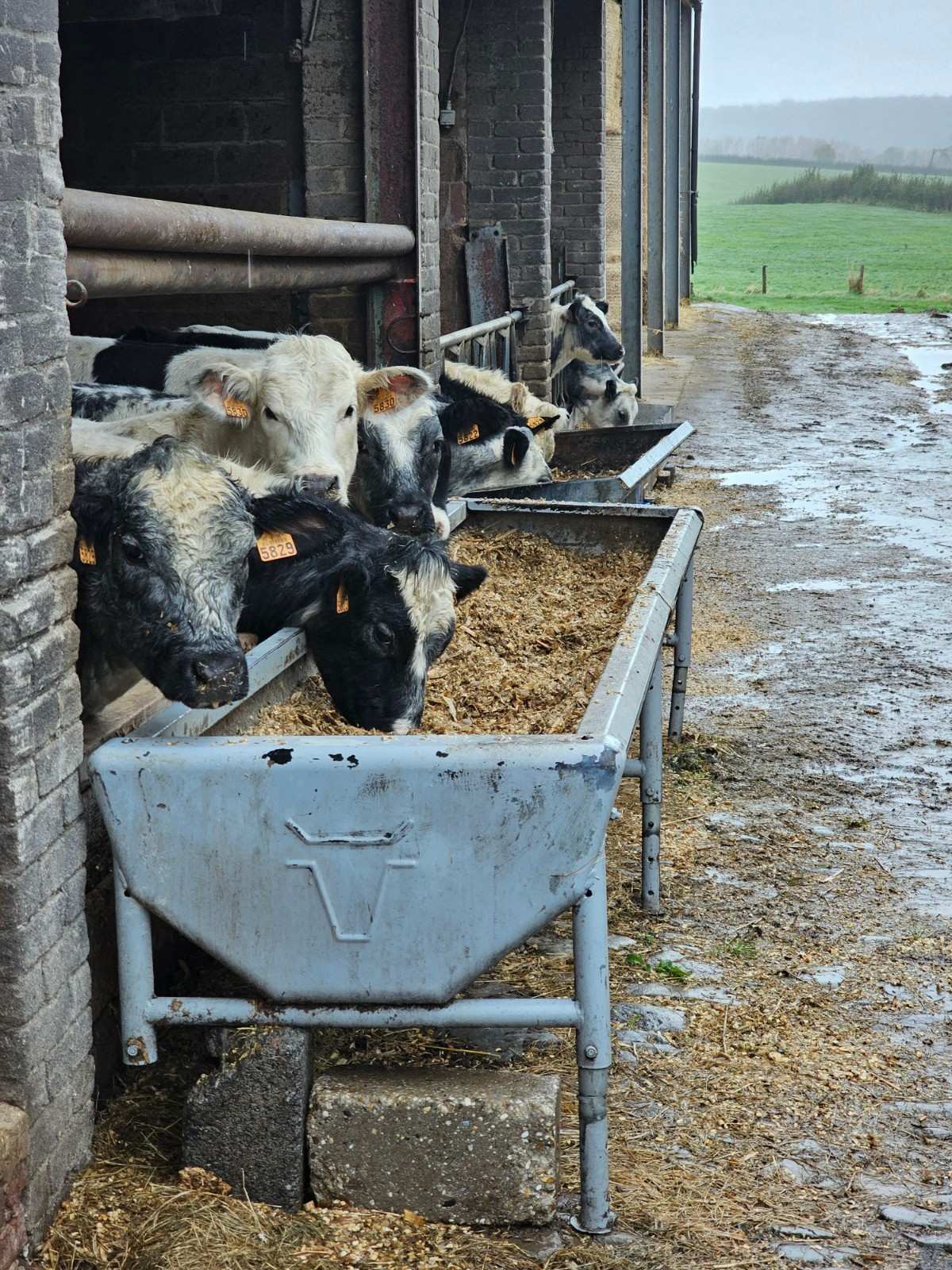
Our livestock housing systems are designed for comfort, ventilation, and cleanliness, ensuring animals stay stress-free, safe, and well-protected in all weather conditions.

Nutrient-Rich Feeding Program

We provide balanced feed plans tailored to livestock needs, ensuring proper growth, higher energy levels, and improved production performance in milk, meat, and breeding.

Farming

FAQs

Common Questions About Livestock Farming

What is included in your livestock farming services? +
Our livestock farming services include animal rearing, health monitoring, feeding management, shelter maintenance, and production support. We ensure animals are cared for in a safe, hygienic, and well-managed environment to achieve high-quality livestock output.
How do you ensure animal health and safety? +
We follow strict veterinary care routines including vaccinations, regular health checkups, disease prevention programs, and continuous monitoring. This helps maintain strong immunity and reduces the risk of infections or health issues in livestock.
What type of feed do you provide to animals? +
We provide balanced, nutrient-rich feed formulated according to animal type, age, and growth stage. Our feeding programs include natural grains, protein-rich supplements, and essential minerals to support healthy development and productivity.
How do you manage livestock housing conditions? +
We maintain clean, well-ventilated, and spacious housing facilities that ensure comfort and safety for animals. Proper sanitation, temperature control, and regular cleaning routines are followed to reduce stress and improve animal welfare.
Do you use modern livestock farming techniques? +
Yes, we use modern livestock management techniques such as digital tracking, health monitoring systems, and scientific breeding practices. These help us improve efficiency, productivity, and overall farm management quality.
Is your livestock farming sustainable? +
Yes, sustainability is a key part of our livestock farming approach. We focus on responsible resource usage, ethical animal care, waste management, and environmentally friendly practices to ensure long-term balance between farming and nature.