

Farming

Overview

Smart Water Control For Sustainable Farming

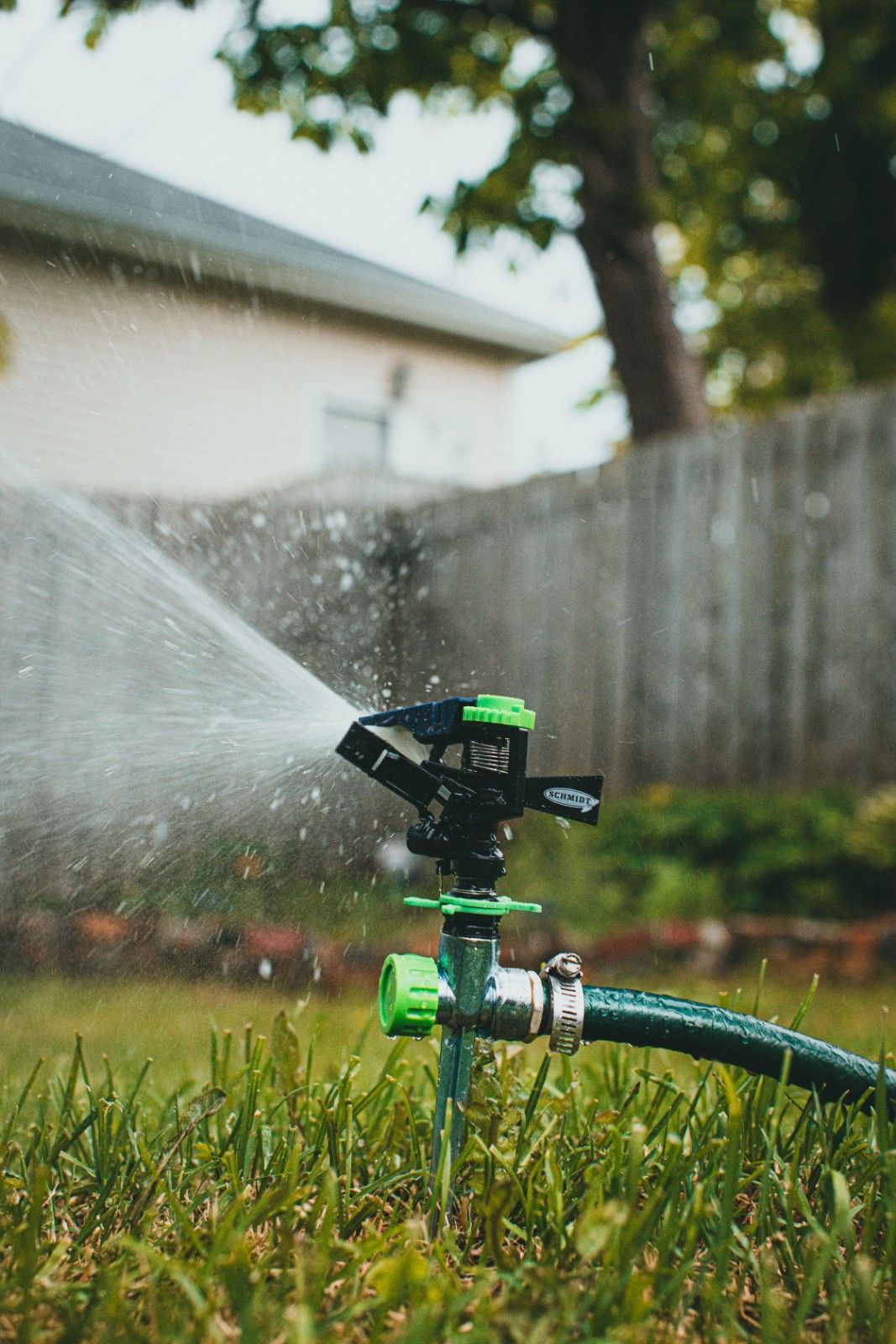
At Fuller Farming, our irrigation management services are designed to optimize water usage across all types of agricultural fields while ensuring healthy crop growth and long-term soil sustainability. We implement efficient water distribution techniques that reduce waste, improve absorption, and maintain ideal moisture levels for different crop stages. Our system integrates modern monitoring methods with traditional water conservation practices to ensure every drop is used effectively. From planning irrigation schedules to maintaining drainage systems, we carefully manage water resources to support consistent yield quality and environmental balance. Our approach is to help farmers reduce operational costs while improving productivity and protecting natural water resources for future generations.

  • Efficient Water Distribution

    We ensure water is delivered evenly across fields using controlled irrigation methods that minimize wastage and support healthy crop growth at every stage.

  • Smart Monitoring Systems

    We use modern monitoring tools to track soil moisture and weather conditions, helping farmers make timely irrigation decisions for better efficiency.

  • Water Conservation Focus

    Our irrigation practices prioritize water saving techniques and proper scheduling to preserve natural resources while maintaining consistent agricultural productivity.

Farming

Irrigation Management Features

Key Benefits Of Our Water Management Systems

Controlled Water Delivery

We manage precise water flow to every crop zone, ensuring each plant receives the required moisture without overwatering or wastage.

Real-Time Field Tracking

We monitor field conditions using modern tools that help track soil moisture levels and improve irrigation timing decisions.

Climate-Based Scheduling

Irrigation planning is adjusted based on weather patterns and seasonal conditions to maximize efficiency and reduce unnecessary water use.

Water Efficiency Optimization

Our systems are designed to minimize water loss and improve efficiency, supporting sustainable farming and long-term resource conservation.

Farming

Irrigation Management Insights

Smart Water Practices For Sustainable Agriculture

  • We design irrigation plans based on crop requirements and soil conditions, ensuring optimal water distribution for healthy plant development and reduced wastage.

  • Our systems use efficient water scheduling methods that align with seasonal changes and field moisture levels to maintain consistent crop hydration.

  • We implement modern irrigation techniques that improve water absorption in soil, helping crops grow stronger while conserving natural resources.

  • Continuous field assessment helps us adjust irrigation timing and volume to prevent both under-watering and over-watering issues.

  • We promote responsible water usage practices that support long-term soil fertility and reduce pressure on natural water sources.

  • Our irrigation approach ensures sustainable farming by balancing productivity needs with environmental conservation for future generations.
Farming

Irrigation Management Features

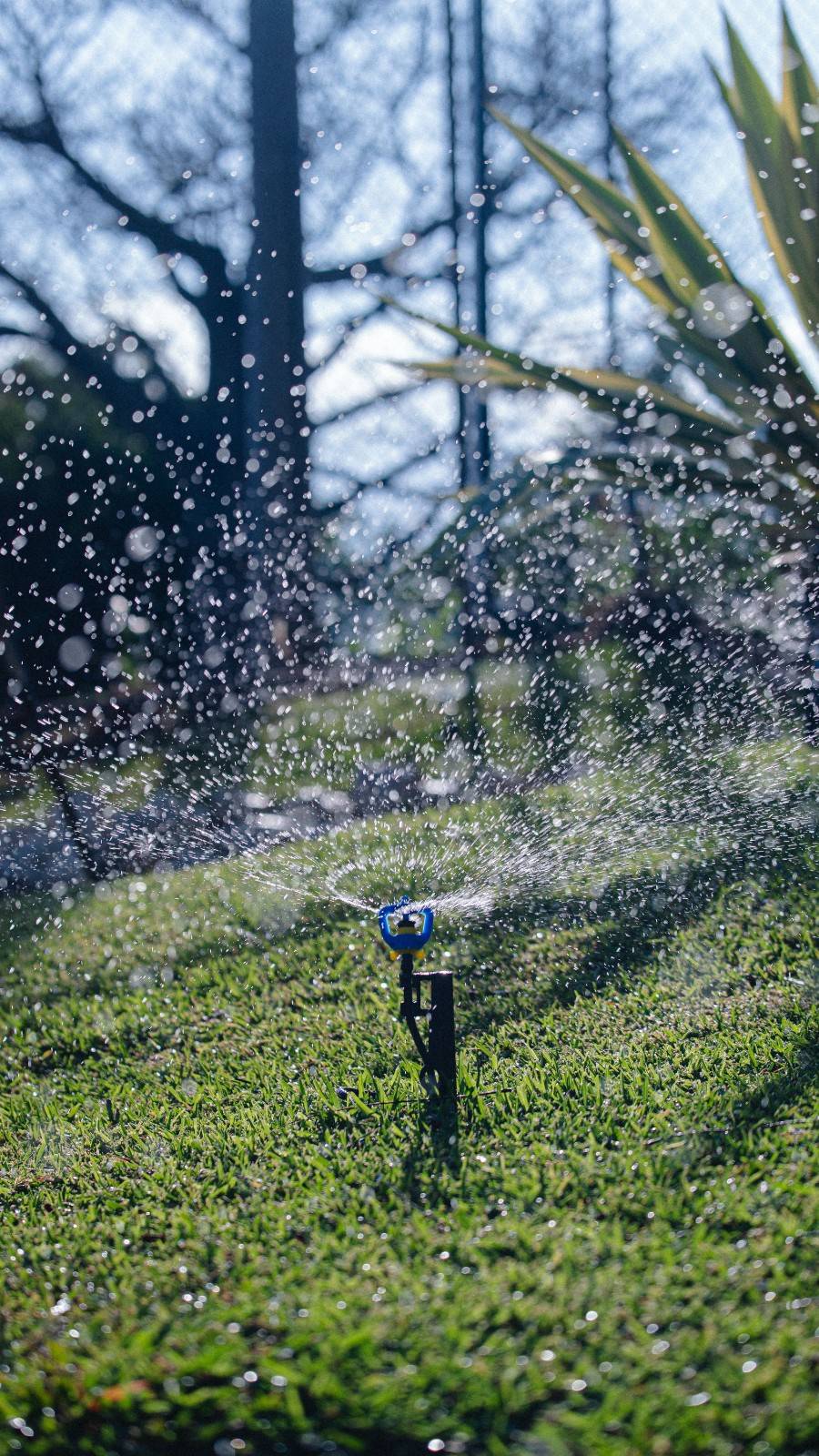
Smart Water Usage With Efficient Irrigation Systems

Precision Water Control

We regulate water flow carefully across farmland to ensure every crop receives the exact moisture required for healthy growth without excess usage or wastage.

Moisture Monitoring System

We track soil moisture levels using advanced monitoring techniques to ensure irrigation is applied only when needed for maximum efficiency.

Sustainable Water Management

Our irrigation practices focus on conserving water resources while maintaining consistent crop hydration for long-term agricultural sustainability.

Farming

FAQs

Common Questions About Irrigation Management

What is irrigation management at Fuller Farming? +
Irrigation management at Fuller Farming involves planning and controlling water supply to crops based on soil type, crop needs, and seasonal conditions. We ensure every field receives balanced hydration for healthy and consistent growth.
How do you decide when to irrigate crops? +
We decide irrigation timing by analyzing soil moisture levels, weather forecasts, and crop growth stages. This helps us apply water only when necessary, avoiding both over-irrigation and water stress in plants.
Do you use modern irrigation techniques? +
Yes, we use efficient irrigation methods such as drip and controlled watering systems that deliver water directly to the root zone, improving absorption and reducing wastage.
How do you reduce water wastage in farming? +
We reduce water wastage through precise scheduling, efficient delivery systems, and field-level monitoring. This ensures water is used effectively without runoff or unnecessary evaporation losses.
Is irrigation management important for crop yield? +
Yes, proper irrigation management directly improves crop yield by ensuring plants receive the right amount of water at the right time, which supports stronger growth, better nutrition uptake, and higher productivity.
How does Fuller Farming support sustainable water use? +
We promote sustainable water use by adopting efficient irrigation systems, monitoring field conditions, and minimizing unnecessary water consumption. This helps preserve water resources for future agricultural needs.